Lack of Early Planning Solidifies the Status Quo

John Bernardi • January 3, 2019

Course Correction is Difficult if You Start on the Wrong Path

If you are you a business owner who knows where you want to take your company during the next five years, you most likely spend your CEO time developing the competencies and resources required for getting to the next level. You prevent early entrenchment of bad habits and attitudes, flawed processes and assigning the wrong people to key roles. You know that a well-designed strategy impacts customer experience, innovation, unique value proposition, target markets, products and services, process excellence, profitability, market share, customer relationships, hiring, training and partnerships. So, if this is you and you’re ready for the next logical steps …

Andiamo! Let’s Go!

Goals and strategies should remain consistent over a 3 to 5-year horizon but objectives and tactics must evolve annually. Start by establishing general destination goals such as company size, profitability, category position, geographic expansion, etc. Then, you’ll be ready to design your growth strategy. Is there an opportunity to do a better job of penetrating existing markets and developing new targets with existing products? If these respective market penetration and market development strategies are not sufficient to achieve your goals, explore the feasibility of fine-tuning existing products and services and developing new products and services as a means for further penetrating existing markets and developing new target markets. Marketing and sales programs and processes should be aligned with the strategy. Design and execute your annual marketing plan and sales plan with short-term tactics aimed at achieving SMART objectives that will get you closer to achieving your goals each year.
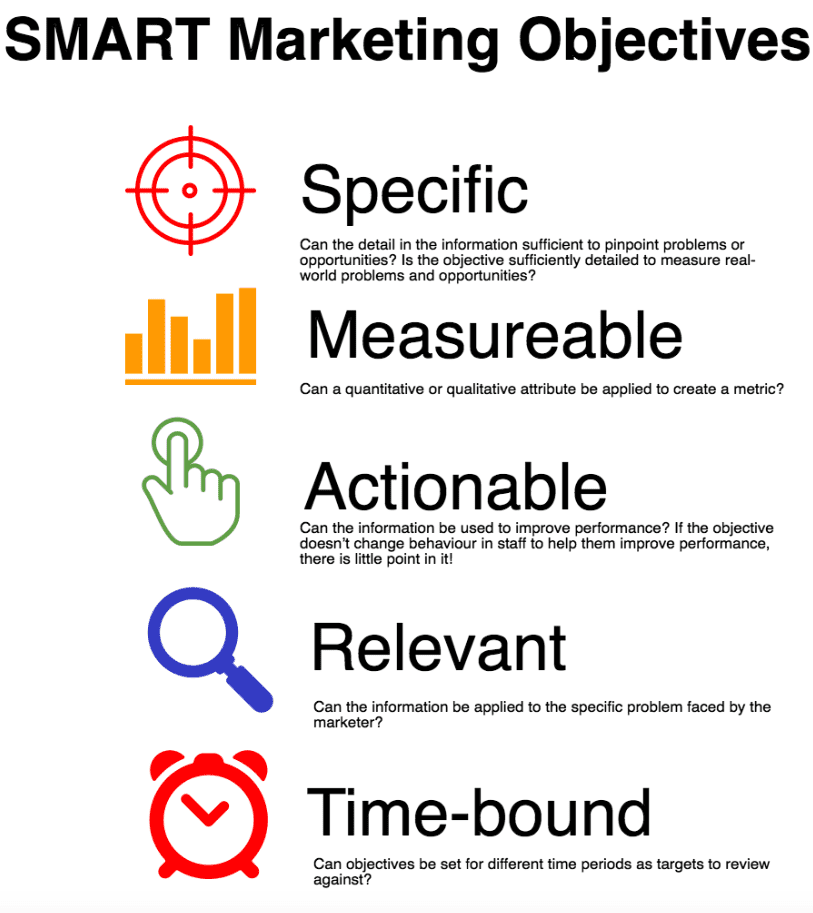
Keeping things simple will help to avoid excuses such as “we’re not ready for this” and “this is too complex”. Follow a path that guides short-term thinking to be in sync with long term goals.

By John Bernardi June 14, 2026
Organization charts rarely reveal how strategic decisions are actually made.
By John Bernardi June 3, 2026
Most companies focus on filling their marketing and sales funnels with opportunities. Sustainable growth, however, often comes from a handful of transformational wins that open new markets, create new capabilities, and generate years of follow-on business. I call these Golden Spike opportunities . The inspiration comes from history. In 1869, the ceremonial Golden Spike joined the Central Pacific and Union Pacific Railroads at Promontory Summit, Utah, completing America's first transcontinental railroad. That single event connected markets, accelerated commerce, and created opportunities that had never before existed. Eastern manufacturers gained access to western markets, western resources flowed east, and competition fueled innovation. Great companies create their own Golden Spikes . A Golden Spike sale is not simply a large order. It is a strategic opportunity that helps a company expand into a new market, launch a new service, establish a new partnership, or significantly deepen its position within an existing market. Often, it involves applying existing capabilities in slightly different ways to solve bigger customer problems. In my experience, Golden Spike opportunities are typically three to five times a company's average deal size while also meeting or exceeding gross profit objectives. They may come from direct or indirect selling channels and do not necessarily originate with large companies. Finding and winning these opportunities requires a different mindset than managing day-to-day sales activity. Successful Golden Spike hunters possess: Patience and a long-term perspective. A disciplined research process. Strong relationships with connectors, mavens, and key influencers. The ability to identify an internal coach who wants them to succeed. The skill to navigate the business, technical, and political dimensions of complex sales. Excellent time management and peripheral vision. Golden Spike hunters keep an ear to the ground. They build relationships long before a buying cycle begins and look for opportunities that competitors never see. So, how does this differ from Target Account Development ? Target accounts are organizations that closely match your ideal customer profile and can provide recurring business over time, including the occasional Golden Spike opportunity. Developing target accounts requires a focused direct-selling strategy designed to build relationships and generate a steady flow of business. Golden Spike Hunting is different. Target Account Development answers the question: "Who should we pursue?" Golden Spike Hunting answers the question: "What transformational opportunities should we create and win?" The two strategies complement one another, but they are not the same. One identifies the right organizations to pursue. The other seeks the opportunities that can materially change the trajectory of the business. As you think about your own growth strategy, consider these questions: What type of Golden Spike interests you—an existing product in an existing market, an existing product in a new market, or an entirely new product or service? How long does it typically take to uncover a Golden Spike opportunity? How much time is required to nurture and close one? How many opportunities must be found to win one? How many Golden Spike does your company need over the next three to five years? How much time and organizational commitment are you willing to devote to finding them? Most companies have a target account strategy. Far fewer have a Golden Spike strategy. If your long-term success depends on winning a handful of game-changing opportunities, perhaps it's time to bump your targeting efforts up a notch. Happy Hunting.
By John Bernardi May 28, 2026
Win/Results is a Power Base Selling concept. The strongest sales conversations connect the two. Win = the personal benefit to the buyer as an individual Results = the business benefit to the organization Results = Company Impact - rational business case with organizational outcomes Increased revenue Lower costs Higher productivity Reduced risk Improved retention Higher margins But buyers rarely make a decision based only on company outcomes. They’re also subconsciously asking: “How does this affect me; will this make my life easier?” “Will I look smart; will this help my career?” “Will this reduce pressure; will this protect me from failure?” Win = Personal Impact - emotional and career dimension of individual motivations Recognition Promotion potential Less stress More control Political credibility Saving time Avoiding embarrassment Looking strategic to leadership Hitting bonus targets Job security
By John Bernardi October 18, 2022
First, understand your business DNA. Then execute excellently.
By John Bernardi May 3, 2022
Account Based Marketing integrates all customer-facing aspects of a company for the purpose of producing optimal results from a portfolio of customers.
By John Bernardi January 22, 2021
A scientific analogy provides a unique concept for guiding your business to its next level.
By John Bernardi December 10, 2020
Target Marketing Fundamentals
By John Bernardi September 29, 2020
Self-promotional statements that are separate from actual customer experiences will disable a branding strategy.
By John Bernardi August 25, 2020
If your decisions are based on your personal perceptions rather than the reality of your target audience, you won’t achieve your goals .
By John Bernardi August 2, 2020
Marketing triggers help businesses respond in a timely and consistent fashion to situations that impact their business.